About the school
A school that teaches teachers
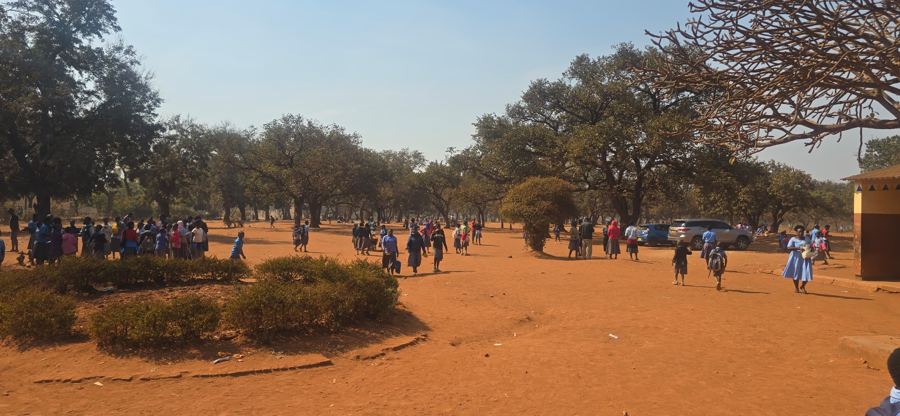
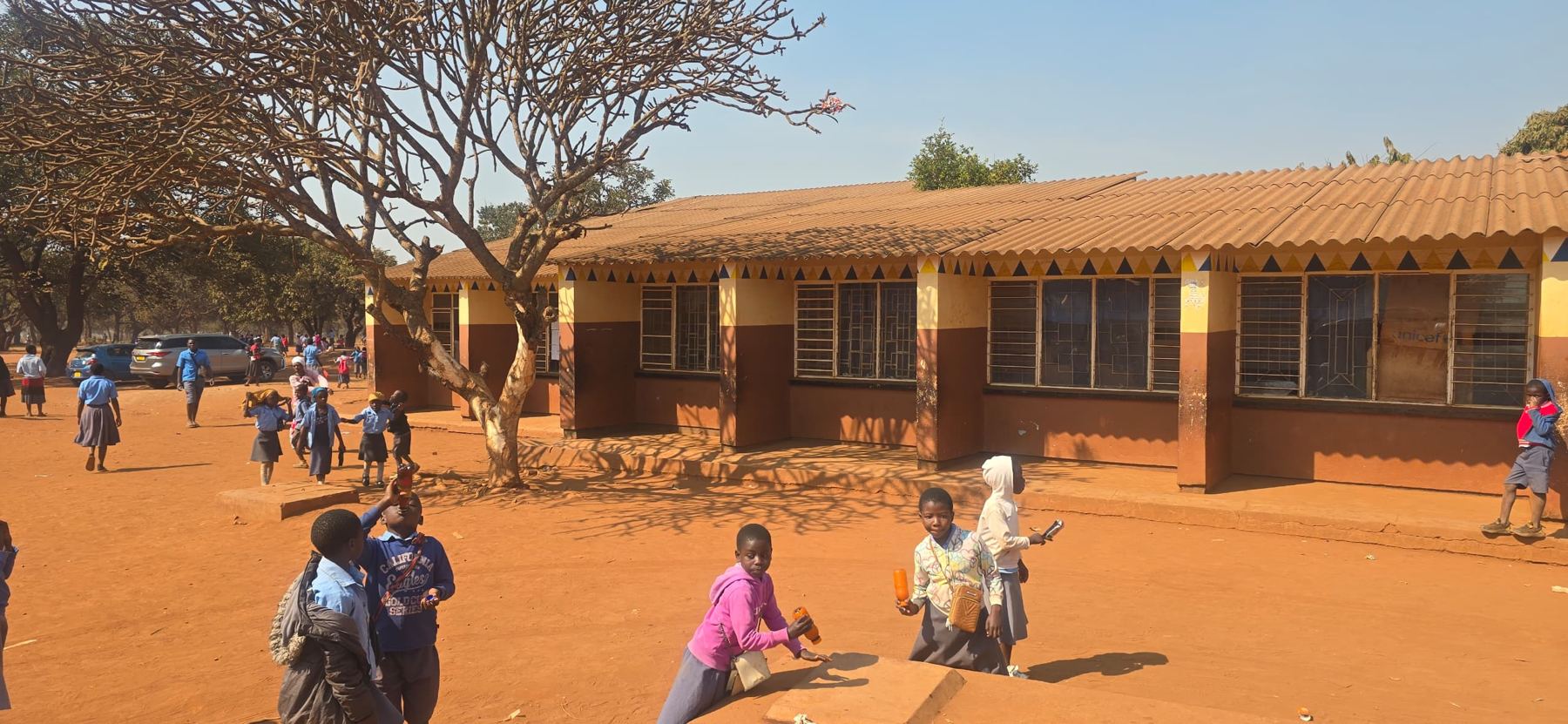
Since 1971, Lilongwe Demonstration School has educated the children of Area 25 and served as the practice school for Lilongwe Teachers Training College.
Our mission
Our vision
History
Established 1971
Lilongwe Demonstration School is a Government institution, established in 1971. Its full name — Lilongwe Teachers Training College Demonstration Primary School — reflects its purpose: student teachers from Lilongwe Teachers Training College carry out their internal teaching practice here.
Student teachers demonstrate the skills they have learnt at the college in real classrooms, and experienced teachers at the school mentor them as they go.
Leadership & governance
Who runs the school
Supported by governing bodies elected by the community:
Programmes & grade levels
Standard 1 to Standard 8
Infant section
Children beginning Standard 1 are enrolled at the age of six.
Junior section
Continuous assessment within each term tracks every learner's progress.
Senior section
Standard 8 writes Government examinations for selection to Form One.
Subjects taught
- English
- Chichewa
- Mathematics
- Social & Environmental Science
- Agriculture
- Science & Technology
- Expressive Arts
- Life Skills
- Bible Knowledge
- BEFIT (tablet lessons)
Languages of instruction are English and Chichewa. Lessons run from 7:30 am to 2:30 pm.
Inclusive education
We are an inclusive institution where learners with diverse needs are supported. A resource class with trained specialist teachers supports learners with special educational needs, and learners who are struggling receive remedial lessons in specific areas.
How we teach
Teachers prepare inclusive lessons, mobilise teaching, learning and assessment resources, and use learner-centred methods — practical and oral work among them — that build critical thinking. The teacher–learner ratio is 1 : 57.
Assessment
How progress is measured
Forms of assessment
- Continuous assessment within each term
- Mid-term assessment
- Summative end-of-term examinations in Terms 1, 2 and 3 — Term 3 results determine promotion
- Standard 8 mock examinations: school mock, zonal mock and city schools mock
Tools and records
- Checklists and rubrics (assessment item, levels of achievement)
- Temporary and final mark sheets
- Learner performance cards
- Book 1 records
Facilities & resources
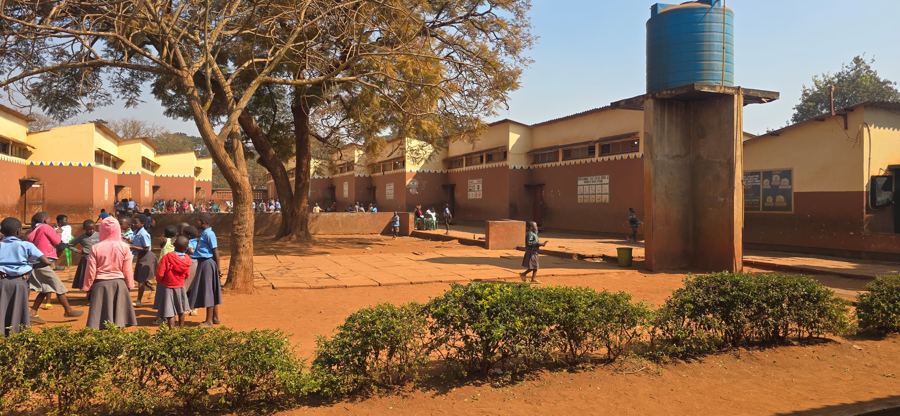
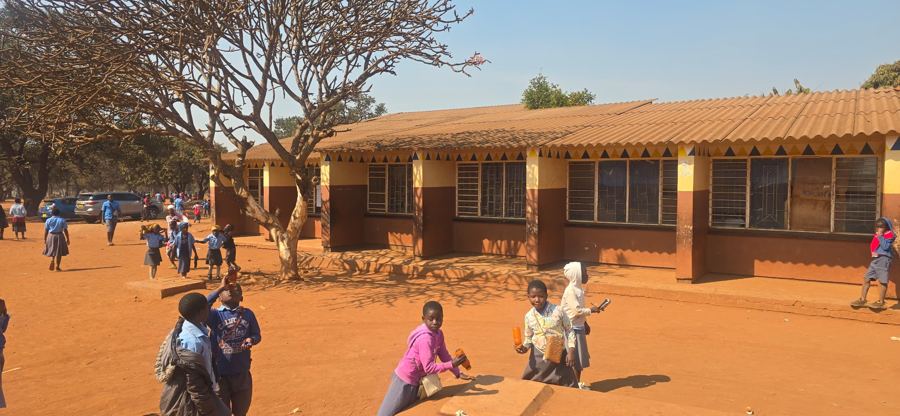
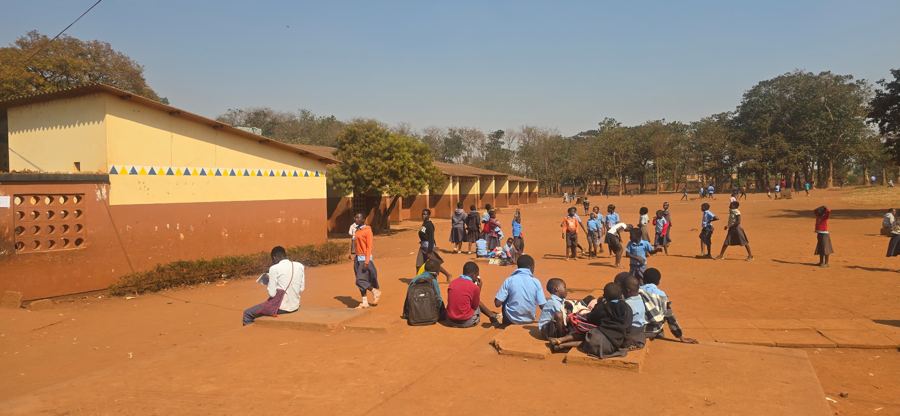
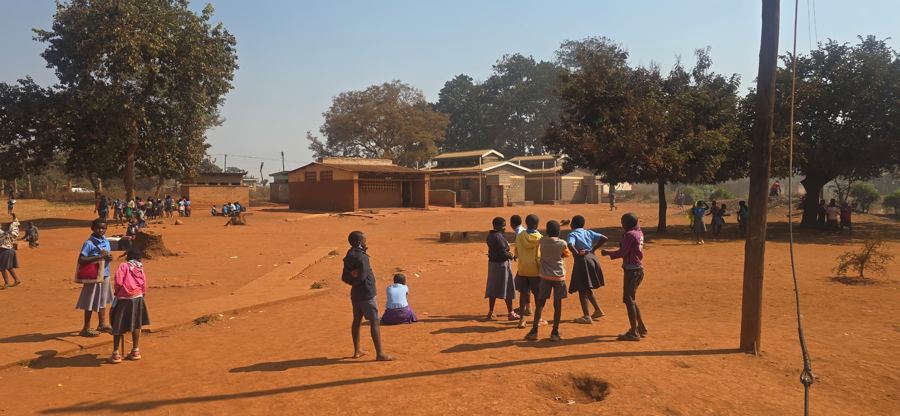
The campus
Special facilities include a sanitation room for girls, an adapted toilet for learners with special needs, and separate water toilets for male and female teachers.
Student life
Beyond the classroom
Sports
- Football
- Netball
- Athletics
- Rugby
Clubs
- Wildlife
- Bible Club
- Science, Technology & Innovation
Leadership
- Class monitors
- Student council
- Sports captains
Major events in the school year include Sports Day and Open Day (BEFIT). See this year's dates.
Results & achievement
Every term, reviewed
End-of-term examinations are always evaluated and recommendations made. Performance is summarised by class, by section and for the whole school.
The Top 10
Outstanding achievers are recognised by announcing their names on a top 10 list for each class. Positions 1, 2 and 3 are awarded writing materials — exercise books and pens — especially in Term 3.
Gallery
Photos from the school